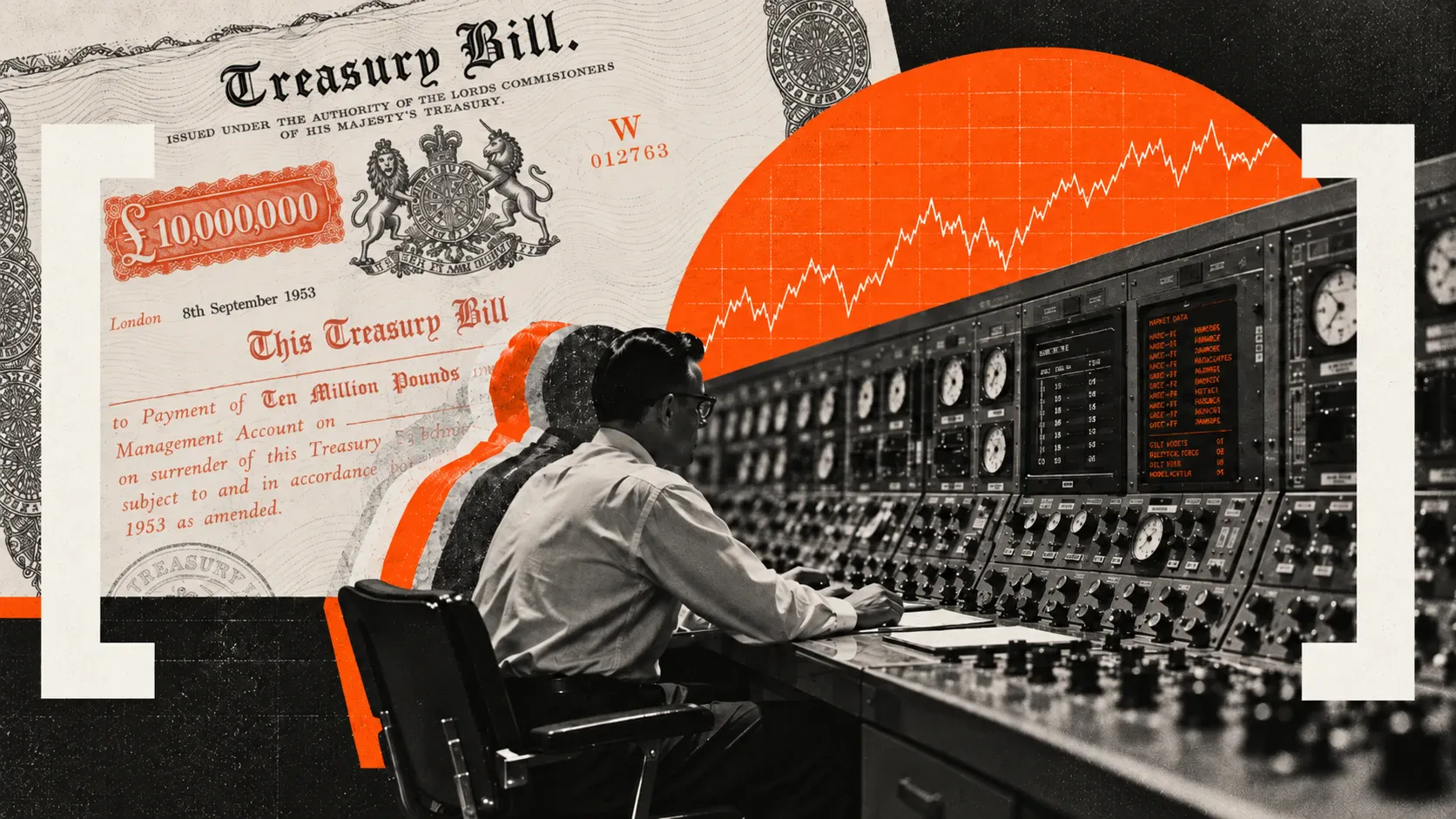
Portfolio management was built around human limitations. For decades, investment management has followed the same structure.
A team of analysts researches markets. A portfolio manager interprets their findings, makes investment decisions and manages a limited number of strategies.
To expand, firms hire more analysts, more portfolio managers and build larger teams at substantial cost.
But AI has fundamentally changed the constraints. Analytical capacity and increasingly sophisticated reasoning are now available around the clock, at a fraction of their historical cost.
Legacy investment teams were designed around a scarcity that no longer exists.
Yet we’re still organising investment teams as though intelligence were scarce.
Perhaps the biggest mistake we could make is using AI to preserve an operating model it has already made obsolete.
The question isn’t how we fit this new technology into the old structure. It’s whether, with this much investment intelligence at our disposal, humans should still be managing portfolios at all.
The portfolio manager moves up a level
What happens when portfolio managers stop managing portfolios?
Instead of managing individual investments, imagine orchestrating an entire fleet of AI portfolio managers, each with its own intelligence, strategy and mandate.
One human overseeing hundreds of autonomous investment managers. Not making every trade, but setting objectives, allocating capital and supervising the intelligence making those decisions.
The portfolio manager moves up a level: from managing portfolios to managing the managers.
But how do you coordinate hundreds of autonomous strategies, enforce risk limits and maintain accountability at that scale?
A new operating model demands a new operating system.